
lady driven
anne baldo
IT IS BETTER BEING UNLOVED than loved by some people. Charlie knows this, is living proof of this, only not the way he thinks he is. He will continue all his life to believe his love is like a gift, to always be astounded and then maddened by the lack of gratitude when he bestows it.
SHARP SUNLIGHT AND CHARLIE SQUINTS, swerves. Gravel, roadside weeds. Dust on a white dress, no shoes. Her name is Halliday but no one ever calls her that.
This is a small town, so he’s seen Day before. Different schools, public for him, Catholic for her. Sacred Heart. Remembers her last summer, at Jamie’s, his friend’s place. Day’s party trick – she could pass her hand through flame. Quick enough and it didn’t hurt, but you had to have the nerve. The smile on her face lit by the flickering wicks, her hair full of luminosity.
“Hey. Come here.” Charlie leans out the window. “Where’re you going?”
Day shows him a torn slip of newspaper. Disco Dance Contest Tonight at the Alibi Room.
“You like disco?”
“No,” she says, climbing into the passenger’s side. Thinks of her cousin Evelynn, how they used to go dancing. Never Can Say Goodbye their favourite. “I just need to get out of here for awhile.”
An octopus falls in love and it dies. Like mayflies. Certain butterflies, cicadas. Later when he holds her, he feels he has done this already. But he’s never touched her before. Déjà vu. Already seen, dreamed. It’s a misfiring of the brain, a misunderstanding between the two sides. But to
Charlie it feels like fate.
Drives, his hand on his thigh, then on hers. Day takes a book from her bag and Charlie says, “tell me something.” A book about symbiosis; she flicks through pages of photographs. There were different ways, Day explains, that two things could live together. They could exist in a state of reciprocal advantage, each offering the other something lacking. Clownfish swimming through sea anemones, bone coral slick with deep green algae blooms. But there was parasitism, too, with its afflicted hosts and voracious guests - mistletoe, which steals water from its tree. Cuckoos and cowbirds, ransacking other nests. Leeches and their bloody love.
They end up at a motel just beyond the town line. In a few years there will be a terrible crime here. Eventually an arsonist will turn the place to dust. But this is before. All the rooms booked except what they call the bridal suite and it seems like every other motel room. At the front desk, Day picks up a postcard, Silver Moon Motel, and in the room she turns it over, curiously. Snapshot of the motel, sky over it an unreal blue. The back’s description says quiet, picturesque. Day isn’t sure about picturesque, but she knows her town is quiet. It’s because everyone whispers, so the neighbours don’t overhear.
THE LAST TIME DAY STAYED IN A MOTEL LIKE THIS, she was with Evelynn. Her cousin, her best friend. They’d once shared the same need to leave, and they’d gone as far as they could, as often as possible. In rooms like this they’d stood side by side in the mirror before going out, Evelynn in her suede miniskirt and turquoise halter, Day in bell sleeves, patchwork skirts. Cake liner in black, dipped in water first. Evelynn’s lids shimmering, Blue Frost. She brings her Perfect Touch 4-way Lighting Makeup Mirror, shows Day what her face looks like in office light, evening light. Evelynn is a secretary. So this is something she needs to know, she says. Shares her perfume with Day, My Sin in a square bottle. Day thinks of the ads for it. Be Good At Being Bad. Scent of vanilla and cloves. Evelynn says, ‘you’ve always been bad, Day, it’s perfect for you,’ a joke and they laugh. Day doesn’t see herself as bad, is curious when others seem to.
The last time, Evelynn touched her dark hair, wistful. “Maybe I should dye my hair blonde.”
“Why?”
“I think Richard likes blondes. I mean his last girlfriend was…”
“Who cares what Richard likes?”
They’d put on lipstick, baring the neat reef of their teeth. In the mirror their smiles are leech-lipped, ready to suck blood.
EVELYNN SAYS SHE WORKS IN AN OFFICE, even though it’s only her, a few salesmen, and Richard. She works for Richard at his used car lot, on the edge of town. Richard’s sweetest deal is what he calls one owner specials. When Day visits Evelynn one morning, she lingers over the newspaper on the waiting room’s table, but it’s been clipped, displaying advertisements for the dealership. Come in and make us an exciting offer! 1979 Chevy Impala, just under six thousand dollars. Lady-driven, believing a woman will do less damage than a man. Or a 1978 Cutlass station wagon, cassette stereo, A/C. Mint condition. Low mileage.
“That’s the thing with tires and women,” Richard is saying. “It’s a good idea to replace both every few years.” He says this to the men he works with as they stand around, drinking the coffee Evelyn makes. But Day knows he knows they’re close enough to be in earshot. He winks. Day pretends not to hear. Not him, or Evelynn’s jumpy laugh. Evelynn in her blazer and blouse from Business Girl Fashions at Central Mall, her skirt which is blue brushed cotton or sometimes she wears her long worsted wool skirt, red plaid. If Evelynn doesn’t wear her blazer, she slips a cardigan over her blouses. Phantom pantyhose, all sheer, complimentary with her purchase. Naturally You Can Charge It!, the advertisements promise. Evelynn does. It has been less than five years since women could have their own credit cards. Day loves Evelynn’s outfits. They remind her of dressing up in Evelynn’s mother’s closet when they were little, except now it’s supposed to be real. Day, with her faded bell-bottoms, flared pants and terry-cloth striped tops, feels like she knows this Evelynn and also that she doesn’t. It wasn’t long ago that Evelynn looked the same as she did, swapped mood rings and braided headbands and Bob Dylan records. They’d been growing their hair, but now Evelynn has cut hers, varnished with Miss Breck hairspray, unscented because Richard has allergies. Evelynn wears tiny yellow gold jewellery, or ruby drop earrings. All of it costume jewellery. But it looks almost genuine.
USUALLY DAY COMES BY AT LUNCH, walks with Evelynn to the restaurant down the street, which advertises a business man’s luncheon and a salad bar. Day and Evelynn drink coffee, pick maraschino cherries out of the sticky fruit salad. Evelynn wears her long dark hair in curls, snapping pink plastic rollers on every night. How can you sleep like that, Day asks her, and Evelynn says it’s easy after awhile.
You just get used to it.
But today, when Day walks into the air-conditioned chill of the office, she senses a change even before Richard speaks. In her dress pocket, carefully torn from the newspaper Disco Dance Contest Tonight at the Alibi Room, to show Evelynn. Day hates the office, doesn’t know how Evelynn can stand being here, this badly lit, wood-panelled room, row of chrome chairs for those waiting. Two rubber trees in pots, needing periodic misting, one of Evelynn’s secretarial duties, along with using a cloth on their thick, shiny leaves to remove dust, allow the pores to breathe.
“I’m sorry, Halliday,” Richard says. Richard is handsome like department store mannequins. In the summers he wears linen suits to work, neckties in cream or green and gold silk. He has a hard way of smiling. “Evelynn won’t be able to join you for lunch today. We have plans of our own.”
Evelynn stands up behind the desk. A tailored polyester dress, burgundy skirt with a blousy top in a dark butterfly print, big loose bow at the throat. “Maybe Day can come with us.”
Richard smiles again, looks Day up and down. “I don’t think your cousin is wearing the proper attire,” he says in a mock apologetic tone. “We are going to the Auberge de La Bastille.” Day’s dusty sandals are ready to give out, long hair in feral uncombed waves. “You really should try the chateaubriand, whenever you do go.”
Once Richard had said to Evelynn you and your cousin are so different, and Day wonders not why he’d said it but why Evelynn had repeated it to her. Day does not see her and Evelynn as that different, but after that Day realizes that maybe Evelynn does. That she wants to see them as unlike each other, is secretly relieved when others do, too.
DAY LEAVES THE OFFICE, keeps walking. The dealership is on the city’s dusty fringes and as the road’s paved curb becomes a rough shoulder, Day’s sandals break.
She hears the car before she sees it, turns as Charlie swerves to the side of the road. When he says come here, she does, wiping the grit from her feet on her skirt before she climbs inside. Charlie in a 1978 Walleye Fishing Tournament t-shirt, easy smile, dirty blond curls.
“Do you know what chateaubriand is?” Day asks as they begin driving, nowhere at first, just further out of town, the ditches growing wilder and clouds moving over the sun, now.
“Don’t know what the hell that is. Do you?”
“I don’t want to know.”
When Charlie laughs he leans his head back, closes his eyes. He smiles and the cheekbones of his thin face slant sharply like angled scars.
“Can you get me out of here?”
“Day, I’ll do anything you want, okay? For you I’ll make the world spin the other way.”
“You don’t have to say things like that,” Day says. “You don’t have to be nice to me.”
“So how do you want me to be?”
You Can’t Always Get What You Want on the radio, and Day thinks of Evelynn, knows that this is true, and knows that, worse still, is getting what you think you want before you realize you don’t.
THEY IRON THEIR HAIR IN EVELYNN’S BEDROOM. Day’s neck bruised violet going sickly yellow like bad milk, covered by a compact of face powder borrowed from Evelynn, so the shade is slightly off. Tangerine lipstick for Day, but when she offers it to Evelynn, she demurs. Richard, she says, doesn’t care for lipstick, and Day wonders why it matters, especially now when he’s not even here.
“He’s a good boy,” Evelynn’s mother says earlier, over dinner.
“He’s almost thirty,” Day says, suddenly sick of the salmon loaf.Evelynn reads Ann Landers’ column every day in the Windsor Star. She shows Day what she’s cut from the paper. They sit on the yellow chenille bedspread, which matches the ruffled curtains. Wallpaper from Evelynn’s childhood still on the walls, Holly Hobbie. Evelynn has tried her best to obscure what she can of it with string art and psychedelic peace prints and women’s lib posters, like the braless Mona Lisa that Day had given her, although even these now seem like relics of another Evelynn, too.
“What’s this?”
“It’s a test. We should take it.”
“Know Thyself Test for Teenagers’?” Day laughs, sees the earnest look on Evelynn’s face and stops. “Alright. How does it work?”
“You have to answer the questions. You go first. I’ll keep score.”
So Day listens, tries not to say anything but the answer, yes, no, no. Ever been kissed? Ever said ‘I love you’? Ever said ‘I love you’ to more than one person in the same week? Ever gone all the way?
‘‘Ever done cocaine or shot up speed or horse-’’
“Evelynn, come on.’”Afternoon light gauzy through the curtains, the green radiance of Evelynn’s beloved spider plants sprawling out of their macrame hangers. Day had made them for her, added glass beads, turquoise stones.
“Yes, or no.”
“No, you know that.”
“How do I know what you do?”
“We’re best friends,” Day says. “We tell each other everything, don’t we?”
Evelynn only whisper-counts adding up their scores. “You got thirty, Day. Passionate and Heading for Trouble.”
“And what about you?”
“Seventeen,” she says. “That’s Normal and Decent.”
“I thought we didn’t believe in this kind of thing.”
“Maybe you don’t. But it doesn’t matter, what me and you think, if this is the way the world sees it.” She can’t understand why her cousin is smiling, why Day seems to think it’s funny. The thought of racking up these marks, a dark tally on your back.
“So what are we supposed to do with this information? It’s like mini golf, right? Your high score works against you.”
“Day, don’t make fun. It isn’t a joke. You know you’re only one point away from the next category, right?”
“I don’t think this is a formal classification system.”
“That’s In Trouble and Getting Messed Up. Just so you know, Day. So you’re careful.”
CHARLIE KNOWS HE’LL TAKE GOOD CARE OF DAY. He’s been waiting for her for years, it feels like. Anyone could have driven by her the other afternoon when she’d been walking down the road. Anyone could have found her, but it had been him, and that meant something. It had to mean something. He will be the family Day lacks, Day with the father everyone knows is nameless, the mother who left town years ago. Raised by her uncle, Ambrose, and when Charlie walks into the bar and sees Ambrose at a table, he goes over to him right away, claps his shoulder, tells him they are like family, now, or they will be.
“I can’t imagine that,” Ambrose says. Charlie walking in like he owns the place, and it only takes one look at him to see that he’s feeling no pain. Charlie, always in trouble somewhere with someone. Who just a month or two ago was here with Jamie, loud like they were, ready for a fight, Jamie asking what are you looking for and Charlie laughing, whatever I can get.
“If you raised Day like your daughter, then I’ll be like your son. Let me buy you a-”
“Save your money,” Ambrose says. Looks at Charlie and what he sees is a loser who didn’t even know he was a loser, but one day he’d realize, would turn bitter over it, but never change.
For a moment Charlie stands there, stares at him. His whole entire life he’s been written off that easy, but this time sits different, settles in him somewhere. Knows everyone thinks he’s beneath her. That she’s from a good family. Not all good, of course, look at her mother. But Ambrose is different, considered an upright citizen. Church on Sundays, a well-kept lawn. Still, consider this, Charlie thinks: his own family tree might be rotten, but Day’s isn’t far behind. A tree with peach scab bears blighted fruit. Oak wilt is systemic, signals its demise. A black walnut can live awhile with canker disease, but there is no cure. Yellow foliage, twig cankers, leaves powdered with spores. Everything spreads.
SOMETIME AFTER CHARLIE HAD LEFT, Vernon Riley had come by Ambrose’s table, sat down.
“Someone said you were talking with Charlie King.”
“Wouldn’t say talking with so much as enduring”
Vernon laughed. “He owes me money.”
“Heard he owes everyone money.”
“Well,” Vernon said, “he owes me the most. So if you see him again, let him know, I need to talk to him, too.”
Now at home, Ambrose makes tea, waters the ferns – lemon button, maidenhair, bird’s nest – and thinks about Day. His beloved niece.
Daydreams, and what are they but the fond hopes of fools.
“I heard if you’re born at midnight with a full moon, you’ll become a witch,” she’d said to him once, seven or so.
“Lucky for you that you were born at nine in the morning.”
“But I want to be a witch.”
Ambrose thinks of her, and Evelynn, how wild they had been, last summer, always running, hitchhiking. Evelynn’s mother, his sister, a mess in his kitchen. Ambrose, do something about this. She blamed Day, wanted him to reign her in. Claiming Day had always had too much influence over Evelynn, does he remember when they were children? Day telling Evelynn if you could hold your breath for fifteen minutes you would float away. Evelynn for weeks going around trying her best not to breathe. And now a year later and he doesn’t like to admit it, but maybe his sister was right. Evelynn demure when he sees her now, almost subdued. Although if he had to choose, he wouldn’t want that for Day. Day, like liquid mercury in a dropped thermometer, a quick, silvery thing, impossible to pick up again, liable to poison you through no fault of her own. It’s just the nature of some chemical elements, some people. Ambrose understands, and knows Charlie will one day, too. It’s what keeps him from being upset by any of this. Charlie no more than a child who thinks he can catch something lovely as a snowflake on his mitten and believes he’ll keep it there. But Day will dissolve, disappear like ice crystals, just when he thinks he’s got her. Before you know it, she’ll be back up in the clouds, waiting to drift somewhere else.
ACTUALLY EVELYNN IS ‘MESSED UP BUT SALVAGABLE’. Even though she doesn’t think it’s fair, the whole system. Why should she have three points against her because she answered yes to Has a member of the opposite sex ever made you cry? It isn’t right and she doesn’t understand how she could be worse than Day. Day answered no to the same question but that’s how she is, she’s heartless, that’s why she’s never said I love you. Evelynn hates that her heart is held against her. If she told Day the truth, Day wouldn’t understand. She’d joke around, she’d say so forget this test, Evelynn, but Evelynn knows that isn’t how it works. Day keeps a postcard of some shady motel taped to her mirror. Opens her mouth and lets Charlie exhale a smoky haze in her face. So what can Day possibly know about any of this?
Evelynn knows what Ann Landers says: Ann Landers is the voice of her mother, of decent people everywhere. She studies her guidance, absorbs her advice, reads the letters, too. Like the reader who writes in as One Man’s Opinion and says the girls I respect are the ones who said no. Day would say so why did you ask them?
Bet they don’t even have to ask you, Evelynn had thought as she looked at her cousin, her neck instantly hot with regret. She would never say it, doesn’t even know whose mean, prissy voice that was in her head. When she was younger, she’d sent twenty cents, a self-addressed stamped envelope for Ann’s Necking and Petting – And How Far to Go, which had promised to teach how a smart girl keeps both her dignity and her boyfriend.
Now Evelynn practices a poised tilt of her hand. A casual but elegant displaying of her new engagement ring. Richard told her get anything you like. Whatever you want, it’s yours. Evelynn would have liked Richard to pick something out, something special that made him think of her.
“But this is easier,” Richard had said with a smile, patting her arm. “You’ll get exactly what you want.”
This is what she wanted, she repeats to herself, a somber incantation that nearly does convince her. There is still a voice in her head, though, asking really?, a different one now, not the cruel one earlier but instead Day’s skeptical tone. But Day doesn’t understand. This is what she wanted, she reminds herself. Richard. So she took a shortcut to get there. Evelynn thinks of desire lines, paths eroded through the sheer force of someone’s determination. This is the destination she had dreamed about, despite the way she got here, which Evelynn prefers not to dwell on. Ann has opinions on this subject, too, says girls like her deserve no gold medals for their tactics. Richard’s mother sighs, sweeps over it all with a brisk wave of her hand. “These things will be,” she’d said. “Just make sure you hold the bridal bouquet in front of your stomach for the pictures, Evelynn. We’ll go to Girard’s, I’ll call Carol Anne for an appointment. Sweetheart roses. Or maybe you could just carry a big basket.”
Her own mother wept for days.
“I guess I’ll make you an honest woman,” Richard said to Evelynn, smiling. And he loved it, the feeling of bestowing a favour on her. That Evelynn should be forever thankful to him. Thanks for what, Day says in Evelynn’s head. Thanks for nothing. This isn’t exactly how Evelynn had wanted things to be, but she knows what people say: what did you expect, or you got what you were asking for. When he asked you to go with him, in his car, to the river, to the late-night party, to his empty house, where did you think you were going?
Evelynn has read all of the pleading letters, Ann’s grim responses. There exist considerations, certain parameters meant to be upheld and defended. Evelynn has heard it since forever, the stories of the girls who make themselves fair game. You don’t blame the ocean for breaching the shoreline, you blame the structure of the breakwater. Trying to recant after lapsing like that was useless, Evelynn knew, like fastening your seatbelt after a car crash. A ridiculous and hopeless gesture.
Evelynn has not gone to school yet, has not yet become a social worker. That’s much later. Has never heard of flight or fright, freeze or fawn. Evelynn doesn’t even know she’s been playing dead.
FOR EVELYNN AND RICHARD’S WEDDING, Charlie borrows a suit from Jamie. Powder blue polyester, wilting off his body. He doesn’t cut his hair or beard and when Day introduces him as Charlie she hears a bridesmaid laughing, Manson. Day, the maid of honour, in a lavender organza dress. Evelynn wears candlelight chiffon, and his mother was right, no one can tell. Evelynn’s mother is still crying. Day helps Evelynn in the hall’s washroom, holding her veil as she gets sick from seafood cake.
Charlie says, “so Richard’s marrying his main girl,” and Richard won’t take a swing, but his best man splits his lip and Charlie cracks him on the jaw before they’re pulled apart. Now Day sits with Charlie in his car, trying to clean his bloody mouth with her napkin, cream linen. Despite the summer heat she’s wearing lace gloves like the rest of Evelynn’s bridesmaids and forgot to remove them. The white’s gone red. Day always saying to Charlie how he can’t go around every day with his fist cocked ready to go and Charlie says, “but admit it, you wish I’d laid Richard out.”
“I’m a pacifist,” Day says. Whenever the hall doors open, they hear the music, Thelma Houston singing Don’t Leave Me This Way. Before, Day would have pressed him. Who were these other girls he seemed to know about, whose reference to their presence made Richard grit his teeth, call his best man over? But what good would it do?
“She’s your cousin,” Charlie says, fat lip caked with blood. “You gonna let him do that to her?”
“This is what Evelynn wants.”
Beside her, in the dark, Charlie laughs. “Who’d want this?” He takes out his rolling papers, his lighter, everything he needs.
“You’re going to do that here.”
“Why not?”
Day’s shoulders stiffen, defensively. “Some people do want this. A nice life. You know?”
“I guess I do know,” Charlie says.
The air thickens with humidity; the clouds congeal darkly. “What do they say about rain on the day of your wedding?”
“They say better get an umbrella.”
“No.” Day rolls down the window, holds her arm out, waits for the first drop. “It’s supposed to be good luck.”
“Well,” Charlie says. His lighter flickers in the dark. “They’re gonna need it, alright.”
MY BRIDE, RICHARD CALLS EVELYNN. Day attends the newlyweds’ dinner party with Charlie. The marriage so recent that guests still murmur congratulations. Evelynn in a crepe de chine dress, watercolour mint. How could this be her Evelynn, who’d slept in her mother’s bed till she was sixteen, who only a few years ago spent whole summers with Day reading Nancy Drew? And they were going to be her, solving mysteries, Nancy and her friends cracking codes, tap-dancing Morse messages, learning to pilot planes. Now Evelynn smiles graciously at guests in her well-pressed silk dress, offering trays of cheese balls, tomato aspic with pimento olives, Watergate salad which Evelynn explains is pistachio instant pudding mixed with pineapple and marshmallows.
When Day says, “About the wedding,” Richard places his hand on her shoulder.
“A misunderstanding, Halliday,” he says. “I’ve forgotten all about it completely.”
Evelynn has moved with Richard to a three-bedroom brick ranch in Fontainebleau. They are in the dining room, with patio doors that open to the garden.
“We have to dress nice,” Day had said to Charlie.
“I’m not good enough for you like this?”
“It’s not about that.”
Among the other men in their beige corduroy jackets, their argyle knitwear, their turtlenecks and pleated pants, Charlie still stands out, incongruously – a floral print silk shirt, his wilfully messy hair, the scruff of his unshaved face. Day knows he’s tried, but almost wishes he hadn’t, feels it’s worse this way.
Evelynn’s kitchen is equipped with new appliances, all avocado green. The fridge has a butter conditioner, egg storage. The freezer door has a juice can rack. She pulls out a bag of frozen peas, holds it to her sore back. “The doctor says the baby’s settled on my sciatic nerve,” she says. She doesn’t work at the office anymore. Instead she stays here all day.
“Do you miss work? What do you do stuck here all day?” she asks, wondering who is misting the rubber plants, now, tenderly wiping their leaves clean. Where all Evelynn’s pretty little cardigans and coordinated wool skirts went.
Evelynn says, “I’m trying this new recipe. You hollow out a head of lettuce, scoop Miracle Whip inside, some ham and pimento olives. Maybe you should make it for Charlie.”
“I don’t cook for him. Evelynn, don’t you get bored stiff here? Don’t you get restless?”
Evelynn doesn’t answer. She places her hand against her cousin’s sternum. “You’re in the same boat as me now, Day,” Evelynn says, and Day nods, half-listening, her mind already fixed on the distant shore she dreams of swimming to.
AT LEAST EVELYNN DID THE RIGHT THING, in the end. She and Richard have Ambrose and her mother over for dinner; she serves ribbon meat loaf, a complicated gelatin salad for dessert. Richard asks Ambrose’s opinion on a recent article in the newspaper about solar energy. Evelynn sits quietly beside him in a coral dress with a neat, ruffled skirt, small gold starburst earrings. Richard does not ask for her thoughts. Instead he says Evelynn, you forgot the salt, and she leaves the table to retrieve it. “The new floral draperies are light-filtering,” Richard says, and keeps them drawn, but to Ambrose the room feels hazy, smothering, even with the light from the chandelier, five thin arms each holding an amber glass globe.
Still, there is Evelynn, taken care of, obviously, recompensed, he can see that, as Richard leads him through the sunken living room with the stone fireplace, to the kitchen, points out the Crown Gas Range Stove with a double oven and double broiler, even when Evelynn looks at Ambrose, asks, “do you know how much of my life I spend cooking now?”
“Yes, but doesn’t the dishwasher save you so much time?” Richard asks.
Ambrose thinks about Day, who can’t boil water without forgetting it, almost ruining his pots, which he has to scrub clean with vinegar. Day, with Charlie showing up for her, banging on the door after midnight or calling at all hours, asking where is she. His sister’s prim vindication as Evelynn served tiny tomato sandwiches, trimmed squares of white bread on bone china, the Florentine Black set.
“Come on,” Richard says to Ambrose. “I have something to show you.”
In the driveway, glinting in the evening dusk, is a Buick Skylark. “Very nice,” Ambrose says. He wants to go home, wait for Day in his quiet house, a good night to divide and transfer his ferns, maybe, at least the foxtail.
“No, not the car,” Richard says. “Beautiful, though. Six cylinder, one owner, low mileage. I wanted to take you for a ride.”
Ambrose gets in the car. Richard wears a white suit with a wide lapel, a silk tie, gold aviators. Flick of his wrist as he adjusts the radio, Rod Stewart crooning come on, sugar. Taps the steering wheel. “Thirteen hundred, if you’re interested.”
“I’ll think about it,” Ambrose says. They are on the highway now. Ambrose doesn’t want to talk about cars, anymore, doesn’t even like cars, prefers to walk everywhere. “Where are we going?”
“Just thought there was something you might want to see.” Richard drives in silence for awhile, pulls into a dusty parking lot. The Silver Moon Motel. TV phones kitchenettes, buzzy blink of a crescent moon in neon lights.
“I’ve seen this place before.”
“Take a good look.”
A man leans back in a lawn chair, in front of the door at the far end of the motel. Shirtless, one leg up, knee to chest, another stretched out, barefoot. Ambrose recognizes Charlie even before he hears Richard laughing in the car beside him.
“Thought you might want to know where Halliday hangs around.”
Ambrose says nothing. Wonders if Charlie can see them in the dark, but if he can, he shows no sign. The parking lot glistens with broken glass, sharp mosaic. Knee-high weeds at the edges of everything. Each light by each door down the row specked dark with moths.
“Evelynn tells me he’s been living here.”
Ambrose won’t look, anymore. Stares out the side window instead, at the cracked asphalt scalloped with speedwell and sorrel growing in the shattered places. “I wouldn’t know.”
“You can understand, I’m sure, why this is so concerning to me,” Richard says, quietly. “Now that your family is my family. Evelynn tells me her and Halliday are like sisters. The mother of my child. You can understand why I’m troubled that she would be subjected to such disreputable influences. And your niece. You don’t want any better for her? What are you going to do about it?”
“Not much of anything.”
Richard exhales a short, scoffing breath, raps his knuckles on the dashboard, takes a wide sudden turn in the parking lot, swerving away from the motel. “Nothing? A man needs to do the right thing.”
“It’s not always that easy to say what the right thing is,” Ambrose says, not knowing who Richard is calling on, himself or Charlie, both possibly, both appraised by Richard and found lacking. Wants to say so what if Day comes here, so what if she’s here now. There are worse places than this, Ambrose understands that. Better here than where Evelynn is. Evelynn, be a sweetheart and make us some coffee. “Anyway, Charlie’s got enough problems. I ran someone the other day looking for him. Said he owed him money.”
“Who was it?”
“Vernon Riley. You know him?”
“No,” Richard says. “I can’t say I do. How much money?”
“Didn’t say, but it sounded like a lot.”
Vernon Riley. Richard repeats the name to himself as he drives Ambrose home. Later, in the kitchen, he finds the phone book, circles the name. The next day, while Halliday is upstairs with his wife, painting the nursery a daisy yellow, he picks up the phone, says “if you’re still looking for Charlie. You can find him at the Silver Moon Motel, just outside of town.”
THE BACKYARD OF EVELYNN’S RECENTLY BUILT RANCH has the raw, severed edges of new suburbia. The trees left over in the mutilated woodlot the subdivision borders scraping dark against sky. Evelynn and Richard have just left for Montreal. Day has promised to watch the house, water the plants, take care of Evelynn’s kitten. She slides the patio doors closed behind her. Earlier, Charlie had gone through all Richard and Evelynn’s vinyl records, disco and pop, before finding Tom Petty and now American Girl is playing in another room.
Evelynn had lingered before leaving, opening and closing her ivory hardshell suitcase as if she’d forgotten something. “Did you ever actually expect you were going to be a grownup?”
When Day thinks back on this conversation years later she thinks, how like a teenager to use a word like that, grownup. But then Day had said, “no, I never did expect to grow up, or not like this. I always figured it was easy. You’re a kid one day, and the next you wake up a capable adult.”
“Day, I wish.”
“I don’t think I’m ever going to feel grownup.”
“You better,” Evelynn says.
“Evelynn, where are you?” Richard, impatient in the living room. “We’ll be late for the train.”
Now they’re gone and the house is quiet, only Tom Petty singing about taking it easy. Dusk slants through windows, gradients of hazy light.
“Come here.”
Day finds Charlie in the master bedroom, French doors open. Every drawer pulled out, Richard and Evelynn’s things all over. Evelynn’s belted black dress with the chiffon overlay, her linen jackets, even her nylon slips. Gone are Charlie’s faded t-shirt, Levi’s with the torn knees. He’s wearing one of Richard’s three-piece suits, jacket open over a black wool waistcoat. He’s buttoned it crookedly but Day pretends she doesn’t notice. His hair slicked back with half a jar of Brylcreem, the clean, sharply sweet scent reminding Day of tangerines.
Charlie throws Evelynn’s pastel mink coat and she catches the heavy fur in her hands.
“Put it on,” he says, and she does. “No, not over your clothes. With one of her dresses.”
Day finds a dress from Evelynn’s secretarial existence, pleated skirt, keyhole neckline. She can’t zip it up but slips it on, leaves the back open. Opens Evelynn’s bottle of Opium perfume, dashes it on her pulse points, like Evelynn had taught her, neck, wrists, cedarwood and cloves. The shoes she knows will never fit, so she stands barefoot on the white carpet. Evelynn said they would put the crib here, in the master bedroom, glancing at her husband. Richard, do you approve?
Charlie finds a silk tie, but he doesn’t know the right way to fasten it so it hangs too long.
“Halliday,” he says, “I heard you’re looking for a real bargain,” and Day laughs. “I have something just for you. This Caprice Classic sedan, only nine thousand dollars. Now understand, typically it’s over ten thousand dollars. I can help you out today. But this deal won’t last. If I can just get you into this car. If I could just take you for a ride.”
Don’t leave me Day’s dizzy from the fur coat, cloudy perfume, desire, the rising hormones dropping her blood pressure down this way and she says, “you look good.” Abruptly Charlie ditches Richard’s slick diction, sounds like himself again.
“Is this what you want?” he asks. “Do you like me better this way?”
They had been supposed to meet her uncle for dinner. A chance maybe for him to get to know Charlie, begin to like him, even. “Like this?” Charlie asked, pointing to the blackish purple underneath his eye, his split and swollen lip, bruised traces of Vernon’s settled debt. “I’ll cancel, then,” Day had said, disappointed.
Now Day looks at Charlie and wonders what business they had starting a new life together when they didn’t even know what they were doing with their own lives. Thinks about Evelynn hollowing out iceberg lettuce, waiting for Richard to come home. Thinks about snake bites, how if someone had been bitten, you were not supposed to suck the venom out like they did in old westerns. The poison would have already spread. All you’d do was injure tissue, maybe swallow some yourself. Your mouth on the wound and all of your love doing more damage than good.
EVERYONE SAYS HOW GOOD IT IS OF CHARLIE, raising that boy after Day lost her mind and left, but Evelynn doesn’t think Day’s departure proves an unsound mind. To stay with someone like Charlie would be the senseless thing. Leaving is selfish, but shrewd. What other ending could there have been? Happily ever after on the sorry side of town.
You should feel guilty, Evelynn still says, when Day calls her from a payphone somewhere faraway. But Day doesn’t, and she never really will. It’s a gift, to be able to forgive yourself. In that way she is Charlie’s double.
They share an enormous capacity to absolve themselves of everything.
Day calls from Sauble Beach. She has sent Evelynn a postcard. The beach (looking north) is typed beneath a beach tinted too yellow, a lake tinted too blue. Evelynn flips the postcard over. Wish you could come to this part of the world before I leave it, Day had written on the back.
“They dug up the old pear orchard,” Evelynn says. “They’re building new houses there.” Every day she watches the progress from her windows, what seems to be the only variation she has left in her repetitious days.
“I used to go there with Charlie and his friends.”
“I know,” Evelynn says, shifting as she talks, baby cradled, sleeping hopefully just a little longer. “How were the pears?”
“I didn’t go there for the pears.”
On her refrigerator, the other postcards Day has sent her – Breakwater Lighthouse in Port Dover, Ontario Science Centre in Toronto, the Maid of The Mist gliding past Niagara Falls. Evelynn is getting tired of the postcards, a constant reminder that Day is somewhere else and she is here. Day doing her a favour, remembering her.
“The trees were infected with fire blight,” Day says. Evelynn has been drifting away, debating – put the baby down, risk waking her, but gain a few rare moments on her own? Evelynn can’t decide. Even as she hesitates, the baby’s waking. “The whole orchard looked as if it had been burned.”
The baby’s crying the moment she leaves Evelynn’s arms, jerking awake in the white wicker bassinet, and Evelynn’s heart is annexed with resentment, with the weight of a sleepless loop of nights, with contrition for everything, all her wanting feeling selfish now, as if motherhood meant the instant obliteration of herself, and it would just be easier, if she could cease wishing, needing. “Why are we talking about plant disease? Do you ever even call your son?”
“He’s a baby. I don’t know what I’d say to him.”
Evelynn lifts the baby back up, resumes her endless rocking. “That you love him, that you miss him.”
“Alright.”
“Day, sometimes it’s not about how you feel, you know that, right? Sometimes it’s just about what you owe someone.” Evelynn stares at the smooth avocado green of the refrigerator, at all the postcards held up with love is magnets, a cherubic couple. Love is…for ever and ever. A series of ups and downs. Taking her shopping. She’ll take down the postcards, throw them away. Richard’s right. They’re only clutter.
FOR DAY, LOVE IS NOT LINEAR. Love is time-travel, love is mutable and infinite. There are years Day forgets about Charlie almost completely, but sometimes he comes to her in unexpected ways. Remembers how she’d lay her head on his chest, hear the whole ocean inside him. Any two sticks rubbed together can start a fire, given the right circumstances. Day reminds herself of this when she considers trying to find him again. In the end, she knows better. It would be like putting on a pair of jeans you haven’t worn in ten years, and finding a note scribbled in your pocket. It must have meant something to you, at one point, been important, only you can’t decipher it, now, it’s become meaningless.
YOU’RE ONLY YOUNG ONCE, Day told Charlie one night, years ago. But what does that mean when you’re still young? Not much. Easy words to excuse the wrong choices, then. Now, Charlie knows, the words have a different meaning, a little painful, an admission of something lost, the half-remembered images of an increasingly inaccessible past. He thinks of Day when it rains, when he drives by the field where the motel was, rates starting at twenty-two dollars, no credit cards accepted, gone a long time now.
If he could just hear his name in her mouth one more time. It would be enough, he believes. Considers we are no more than ticks, vampire hearts. The tissue of desert plants invaded by stemsuckers, bursting into bloom through the host’s own foliage. We could be them, or anything you want, he would tell her if he could. A bare arm for leeches, an unending well of blood.
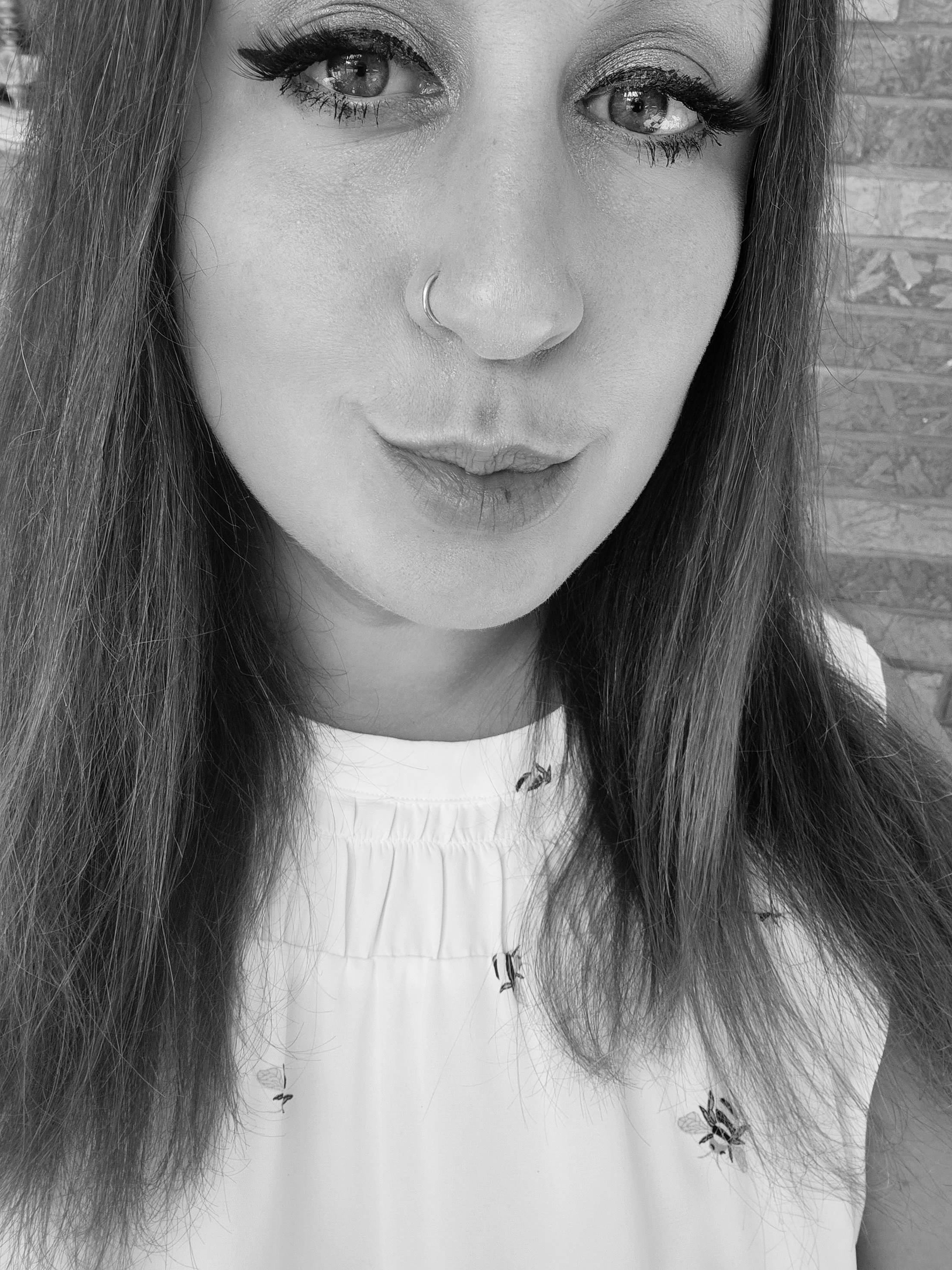
ANNE BALDO’S
fiction has previously appeared in Grain, Riddle Fence, Stanchion, the short story collection Morse Code For Romantics, and in a forthcoming novel from Dundurn Press.